
© 2025 R. Lysander. All rights reserved.
Fetishized
Stereotypes:
From Clichés to Empowerment
In queer culture, there are archetypes deeply ingrained in our collective consciousness:
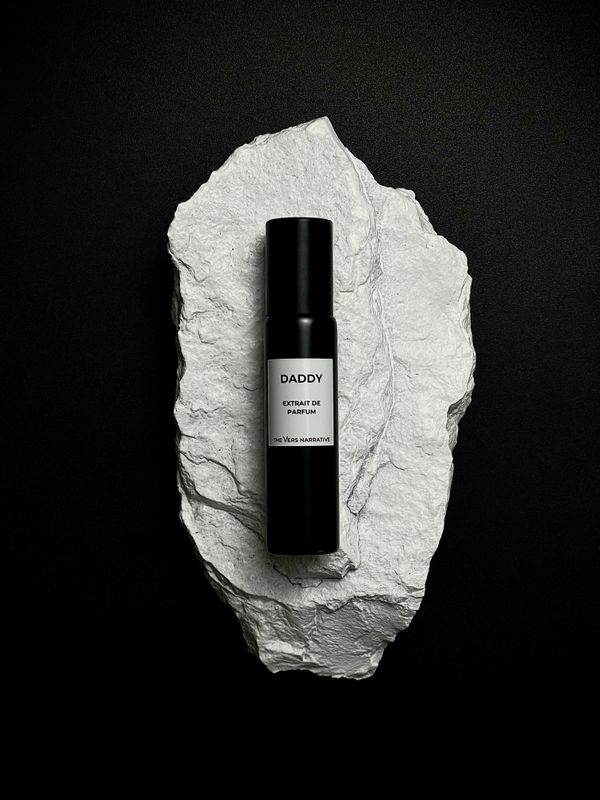
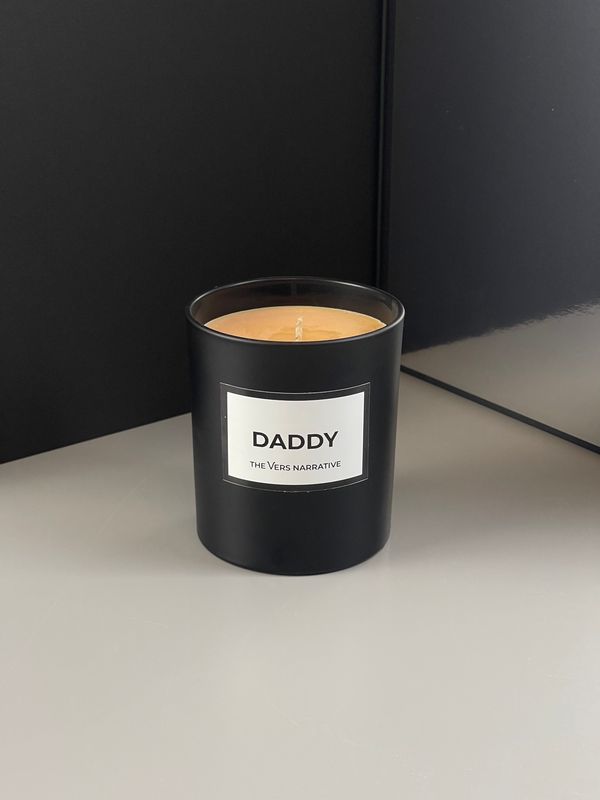
the Daddy, the Bear, the Twink. These figures shape pop culture, dating platforms, and queer spaces, appearing as universal categories of desire and identity. Yet, they also carry risks. When reduced solely to fetish objects, they are stripped of their true power. But what if we viewed these labels not as limitations but as playgrounds for self-determination ?
Between Desire and Limitation
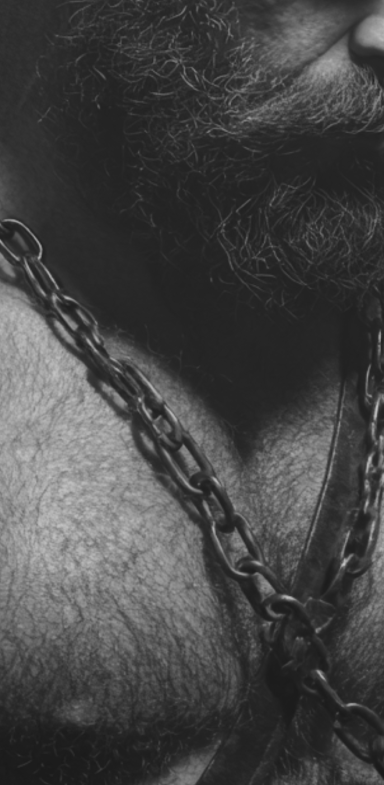
Fetishization is a double-edged sword. It can offer validation, making us feel seen and desired – yet it can also reduce us to mere surfaces. If the Daddy is understood only as a dominant, masculine provider, little room is left for vulnerability or emotional depth. Bears are often seen as the antithesis of conventional beauty standards, yet they too are confined to a rigid template: large, hairy, muscular and supposedly hyper-masculine. Those who do not fit into this framework are left standing on the sidelines.
But what happens when we reclaim these images and infuse them with new nuances? When we transform a narrow fetish into a vast landscape of possibilities?
From External Definition to Self-Empowerment
The queer community has a long history of reclaiming terms once used for stigma and turning them into symbols of pride. Queer was once a slur; today, it represents radical openness and diversity. Similarly, stereotypical images can be not only replicated but also deconstructed and redefined.
A Daddy can indeed be a provider, but not just financially, also emotionally, spiritually or sexually. A Bear can be both gentle and fierce, both tender and powerful. What if we assigned these labels new meanings and refused to be confined to one-dimensional representations?
This does not mean rejecting the desire these archetypes evoke – quite the opposite. It means embracing them in their full depth. Eroticism is most powerful when charged with authenticity. Those who refuse to be forced into a predefined image, but instead define it for themselves, transform desire into freedom.
The Art of Transformation
Queer culture has always been a culture of reinvention. Fashion, language, music, all of these are arenas where meanings are shifted and reimagined. When we look in the mirror, we should not ask, "Which image do I fit into?" but rather, "Which image am I creating?"
Perhaps this means exaggerating clichés deliberately, pushing them into the grotesque, breaking them with irony – or simply living them as they naturally unfold. The true allure lies not in perfectly fitting a predefined role but in filling it with our individual truth.
Ultimately, queer identity cannot be confined to a single label. It thrives in the freedom to reinvent oneself again and again.