
From Medicine to Cultural Phenomenon
There are substances that pass through history unnoticed, and then there are those that leave an indelible mark on culture. Poppers belong to the latter category. Once a medical remedy, today a symbol of sexual liberation, their history reflects the evolving societal attitudes toward desire, queerness, and the politics of pleasure.
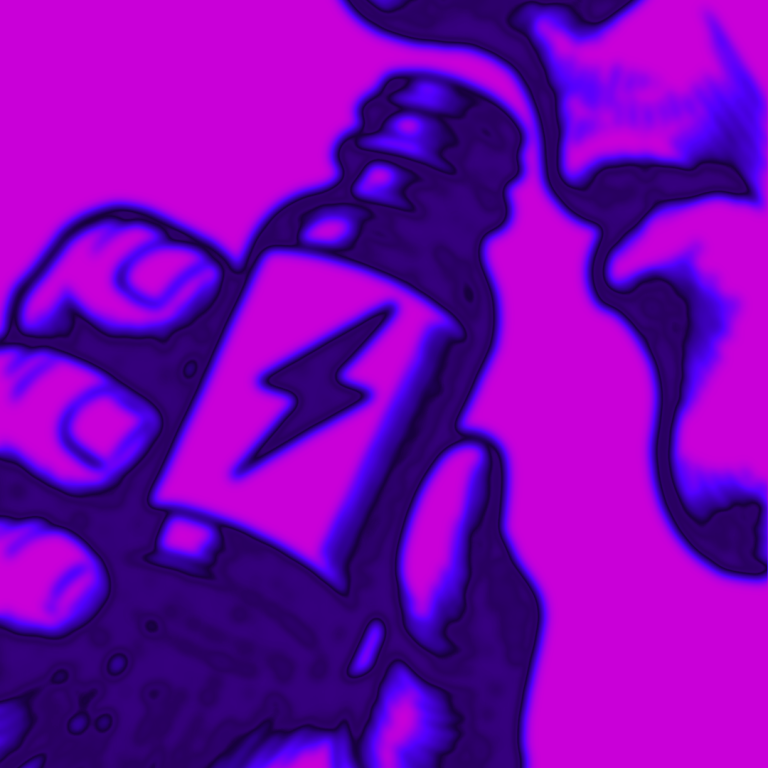
“Feeling the Rush” Artwork © 2025 Will Hartley. All rights reserved.
A Medical Origin
Poppers, chemically known as alkyl nitrites, were first synthesized in 1844. By the late 19th century, amyl nitrite found medical use in the treatment of angina pectoris. When inhaled, the substance caused a rapid dilation of blood vessels, increasing oxygen flow and producing a sensation of warmth or euphoria. The small glass ampoules, which made a popping sound when crushed, gave poppers their name.
For decades, alkyl nitrites remained a staple in cardiovascular treatment. However, their effects - muscle relaxation, intensified sensory perception, and a euphoric high - did not go unnoticed outside the medical world. As societal taboos surrounding sexuality loosened in the 20th century, poppers began making their way from pharmacy shelves into underground subcultures.
The Sexual Revolution and Queer Subcultures
Poppers are closely tied to the sexual revolution of the 1970s and soon found their place in the queer community. At a time when queer people began to embrace and express their sexuality more openly and confidently, poppers offered a means to heighten pleasure and break free from societal constraints. Their presence in gay bars, clubs, and bathhouses made them a fixture of queer party culture and a new era of sexual self-determination.
Beyond that, poppers symbolized a rejection of conservative moral standards that sought to stigmatize queer sexuality. While society attempted to pathologize or erase homosexual identities, poppers celebrated radical, uninhibited desire. They became a marker of hedonism, freedom, and defiance against government regulations and medical discourses that sought to control homosexuality.
In the 1980s, during the HIV/AIDS crisis, poppers took on a new political significance. They were not only debated due to potential health risks but also became a symbol of a way of life that refused to be defined by fear and repression. Queer activists defended the right to pleasure and enjoyment in the face of a society that blamed gay men for the epidemic.
The legal status of poppers varied from country to country. In the United States, they were freely available until the late 1980s when the FDA imposed restrictions. Despite regulatory hurdles, poppers continued to thrive in queer spaces, often sold under misleading labels such as "room aroma" or "leather cleaner." Their accessibility and reputation as an aphrodisiac cemented their place in gay sexual culture.
The Science of Pleasure
Beyond their cultural significance, poppers have also intrigued scientists due to their physiological effects. When inhaled, they trigger a rapid release of nitric oxide, which relaxes smooth muscle - including blood vessels and certain sphincters. This not only produces a brief rush but also facilitates certain sexual activities, making them particularly popular in queer spaces.
A 2010 study published in Drug and Alcohol Review examined the psychological effects of poppers and found that their use was associated with increased sexual satisfaction and a sense of liberation. Unlike many other recreational drugs, poppers are not addictive and are quickly metabolized, reducing long-term health risks. However, excessive use can lead to dizziness, headaches, and, in rare cases, negative cardiovascular effects. Despite their often glorified reputation, additional health risks exist: direct skin contact can cause severe chemical burns, and inhaling the vapors may damage mucous membranes, particularly in the nose and even the eyes.
It is essential to mention that combining poppers with blood pressure medications such as Viagra can be fatal, as both substances dilate blood vessels, potentially causing a dangerous drop in blood pressure.
Poppers in Pop Culture and Modern Sex Life
Today, poppers remain a staple of queer club culture, but their influence extends far beyond the LGBTIQ+ community. In pop culture, they are frequently referenced in music, film and literature. Artists like Madonna, Frank Ocean, and The Weeknd have mentioned or alluded to poppers in their songs, while films such as Trainspotting and Shortbus have depicted them as part of sex and party scenes.
Particularly in the electronic music scene, they are often an unseen companion on the dance floor, sharpening the senses and enhancing the experience. Meanwhile, the digital age - with dating apps and OnlyFans - has created new spaces for sexual exploration, where poppers continue to play a role as a tool for heightened experiences.
The link between poppers and sex remains inseparable. Their use as a stimulant in queer sexuality is a central reason for their lasting popularity. Their ability to dissolve inhibitions and intensify pleasure makes them an integral part of intimate encounters for many.
Poppers as a Political Statement
Poppers are not just a chemical kick, they are also a symbol of resistance, freedom, and the relentless pursuit of pleasure. In a world that continues to regulate queer bodies and desires, they challenge societal norms. They remind us that pleasure is political, that euphoria is a right, and that history is sometimes written in the fleeting rush of a single breath.
From Victorian medicine to the dance floors of queer nightclubs, poppers have undergone a transformation that reflects broader cultural shifts. They are not just stimulants but historical artifacts of resistance and liberation. Whether as a means of enhancing pleasure, fostering connection, or as an act of rebellion, they remain a testament to the resilience of queer joy in the face of societal oppression.
Today, poppers are more than just a chemical substance. They are a cultural legacy of gay liberation. They carry the scent of new beginnings, of pleasure without shame and of a community that refuses to surrender its right to joy.